
• Skip to primary navigation
  • Skip to main content
  • Skip to footer
Center for Excellence in Assisted Living

Center for Excellence in Assisted Living CEAL@UNC

Advancing the well-being of the people who live and work in assisted living through research, practice, and policy.

  • Home
  • About
    • Assisted Living and CEAL@UNC
    • CEAL@UNC Values, Vision, and Mission
    • Leadership
      • Faculty and Staff
      • Advisory Board
      • Strategic Advisors
  • Core Areas and Projects
    • Consumer Core
    • Practice Core
    • Policy Core
    • Research Core
      • Affiliates
      • Assisted Living Research in Progress
      • CEAL@UNC Research Award
      • Expert Registry
  • Resources
    • CEAL@UNC Resources and Publications
    • CEAL@UNC Affiliate Resources
    • Assisted Living Research
  • News & Events

Search Center for Excellence in Assisted Living

Medicare/Medicaid

End-Of-Life Care In Assisted Living Communities: Race And Ethnicity, Dual Enrollment Status, And State Regulations

May 1, 2022
WHAT THIS MEANS FOR YOU: This study examined end-of-life care in assisted living – specifically whether residents died in the community or elsewhere and received hospice care -- and whether these were associated with select factors. Among 100,783 Medicare beneficiaries who died in 16,560 communities during 2018–2019, nearly 60% died in their community, with 84% receiving hospice care. Communities with more Medicare-Medicaid enrollment had more residents dying in the community, and white residents were more likely than Black ones to use hospice care. In states with less strict assisted living regulations (e.g., for dementia care, admission/retention, and staffing/training), residents were more likely to die outside of the community (e.g., in a hospital or nursing home).

End-Of-Life Care In Assisted Living Communities: Race And Ethnicity, Dual Enrollment Status, And State Regulations

May 1, 2022 by Lea Efird-Green

WHAT THIS MEANS FOR YOU: This study examined end-of-life care in assisted living – specifically whether residents died in the community or elsewhere and received hospice care — and whether these were associated with select factors. Among 100,783 Medicare beneficiaries who died in 16,560 communities during 2018–2019, nearly 60% died in their community, with 84% receiving hospice care. Communities with more Medicare-Medicaid enrollment had more residents dying in the community, and white residents were more likely than Black ones to use hospice care. In states with less strict assisted living regulations (e.g., for dementia care, admission/retention, and staffing/training), residents were more likely to die outside of the community (e.g., in a hospital or nursing home).

State Medicaid Financing and Access to Large Assisted Living Settings for Medicare–Medicaid Dual-Eligibles

Feb 1, 2022
WHAT THIS MEANS FOR YOU: This study examined two groups of Medicare beneficiaries residing in large (25+ beds) AL communities in 2014: dual Medicare and Medicaid beneficiaries, and Medicare-only beneficiaries. Among 506,193 beneficiaries, 18% were dually eligible; they tended to be younger, minority, and have more chronic health conditions. The share of dual-eligibles by state varied widely; states with Medicaid financing for AL had more dual-eligibles, but variation in state room and board regulations did not have a significant relationship to dual-eligible rates.

State Medicaid Financing and Access to Large Assisted Living Settings for Medicare–Medicaid Dual-Eligibles

February 1, 2022 by Lea Efird-Green

WHAT THIS MEANS FOR YOU: This study examined two groups of Medicare beneficiaries residing in large (25+ beds) AL communities in 2014: dual Medicare and Medicaid beneficiaries, and Medicare-only beneficiaries. Among 506,193 beneficiaries, 18% were dually eligible; they tended to be younger, minority, and have more chronic health conditions. The share of dual-eligibles by state varied widely; states with Medicaid financing for AL had more dual-eligibles, but variation in state room and board regulations did not have a significant relationship to dual-eligible rates.

State Variation in Potentially Burdensome Transitions among Assisted Living Residents at the End of Life

Feb 1, 2022
WHAT THIS MEANS FOR YOU: There are significant differences in the quality of end-of-life care in AL. Research on 37,668 deceased Medicare beneficiaries who lived in AL found that 1 in 5 experienced challenging transitions including frequent hospitalizations before their death. Burdensome transitions, especially in the last three days of life, varied widely among states, which may be associated with state-level regulations.

State Variation in Potentially Burdensome Transitions among Assisted Living Residents at the End of Life

February 1, 2022 by Lea Efird-Green

WHAT THIS MEANS FOR YOU: There are significant differences in the quality of end-of-life care in AL. Research on 37,668 deceased Medicare beneficiaries who lived in AL found that 1 in 5 experienced challenging transitions including frequent hospitalizations before their death. Burdensome transitions, especially in the last three days of life, varied widely among states, which may be associated with state-level regulations.

Post-Acute Care Transitions and Outcomes among Medicare Beneficiaries in Assisted Living Communities

Jan 1, 2022
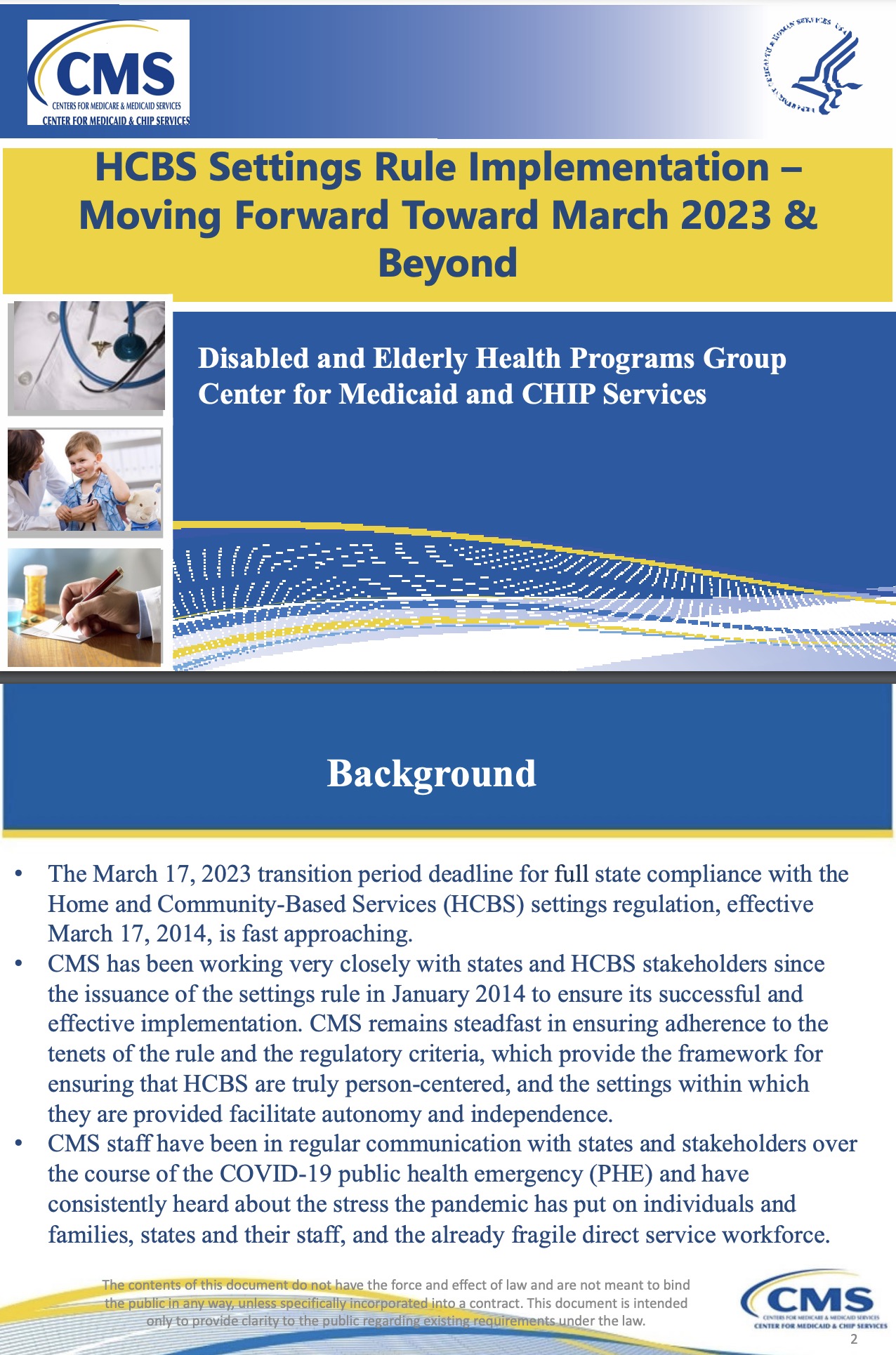
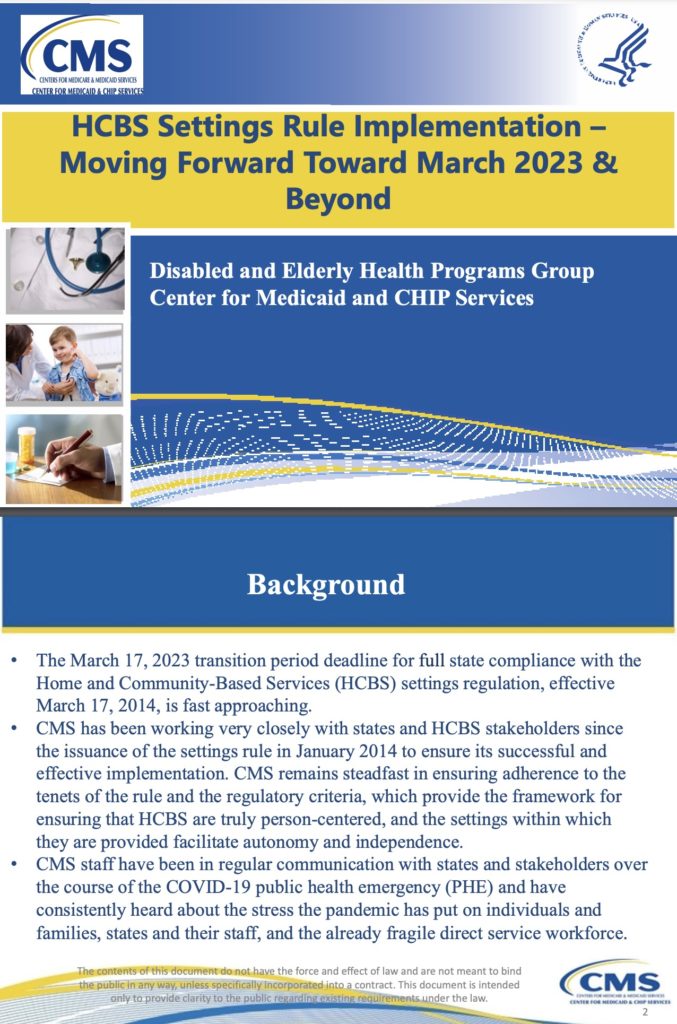
WHAT THIS MEANS FOR YOU: Medicare data were used to analyze post-acute care referrals for over 104,000 assisted living residents. The most common referral after hospitalizations was to skilled nursing. Referrals to skilled nursing were associated with a lower likelihood of emergency department visits and hospital readmissions; however, there was higher likelihood of long-term skilled nursing placement and death.

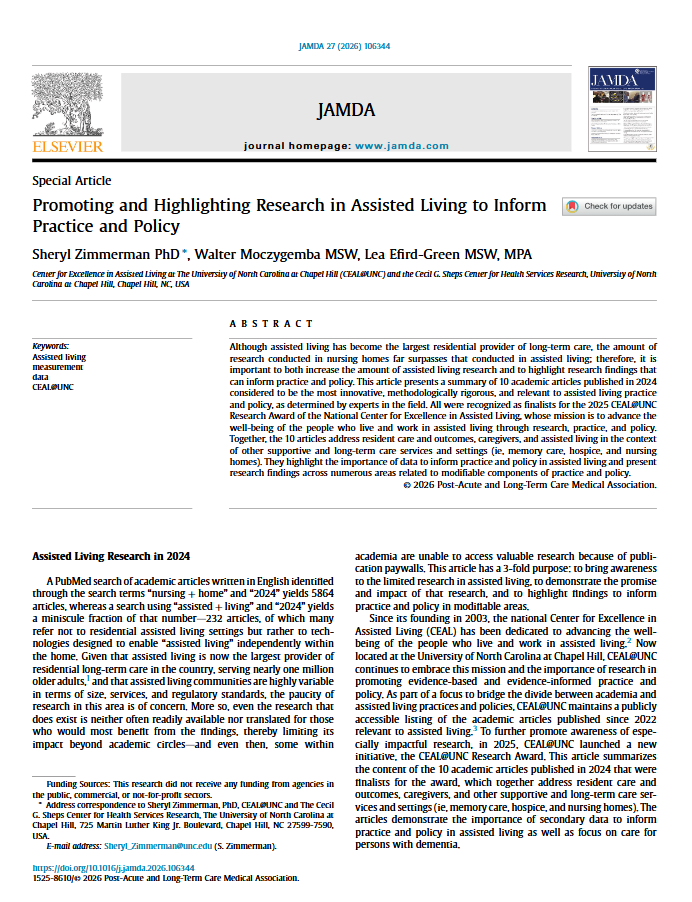
Post-Acute Care Transitions and Outcomes among Medicare Beneficiaries in Assisted Living Communities

January 1, 2022 by Lea Efird-Green

WHAT THIS MEANS FOR YOU: Medicare data were used to analyze post-acute care referrals for over 104,000 assisted living residents. The most common referral after hospitalizations was to skilled nursing. Referrals to skilled nursing were associated with a lower likelihood of emergency department visits and hospital readmissions; however, there was higher likelihood of long-term skilled nursing placement and death.

  • « Go to Previous Page
  • Page 1
  • Page 2

Footer

Contact

CEAL@UNC
325 Pittsboro Street
Chapel Hill, NC 27599-3550
Email: CEAL@office.unc.edu
UNC School of Social Work Logo

Connect

  • Facebook
  • LinkedIn

Featured Resource

Copyright © 2026 · Center for Excellence in Assisted Living · All Rights Reserved · Website by Tomatillo Design